01Get the house ready before the first hard freeze
A few hours of work in October or November heads off most winter damage. The common thread is keeping heat where it belongs and water where it can't freeze.
- Service the heating system
Have a technician check the furnace or boiler, and replace the filter. If you burn wood, get the chimney inspected and swept.
- Shut off outdoor faucets
Disconnect hoses, close the indoor shutoff valve for each outside spigot if you have one, and drain the line.
- Seal and insulate the attic
Air leaks and thin insulation let heat warm the roof, which feeds ice dams. Sealing gaps around lights, pipes, and hatches is a good first step.
- Clean the gutters
Clogged gutters hold meltwater where it can refreeze along the roof edge.
- Find the main water shutoff
Make sure everyone in the house knows where it is and that the valve actually turns. Tag it so it's easy to spot in a hurry.
- Test CO and smoke alarms
Heating season is when carbon monoxide risk peaks. Replace batteries and any alarms past their expiration date.
Fall buys for pipes and roof
Frost King Foam Pipe Insulation (10-Pack)
Slip-on foam sleeves for exposed pipes in basements, crawlspaces, and garages.
Check price on AmazonHEATIT 30ft Self-Regulating Pipe Heating Cable
A heat cable for pipes in spots that are hard to keep warm; install it exactly as the manufacturer directs.
Check price on AmazonAvalanche! Original Roof Snow Removal Tool
A roof rake designed to slide snow off the roof edge while you stand safely on the ground.
Check price on AmazonRoof Melt Ice Dam Tablets
Calcium chloride tablets you toss onto an ice dam to melt drainage channels for trapped water.
Check price on Amazon02Keep pipes from freezing — and handle one that does
Pipes in unheated or exterior spaces are most at risk, especially during long stretches of very cold weather. A burst pipe often isn't noticed until it thaws and water starts running.
| Where | Why it freezes | What helps |
|---|---|---|
| Exterior walls | Cold air reaches pipes through gaps and thin insulation | Open sink cabinet doors so room heat can reach the pipes |
| Crawlspaces and basements | Unheated spaces with drafts | Foam insulation, sealing vents and gaps, heat cable where needed |
| Garages | Often unheated and drafty | Keep the garage door closed and insulate exposed lines |
| Outdoor spigots | Water left in the line freezes | Shut off and drain before the first freeze |
- If a tap runs to a trickle, suspect a freeze
Leave the faucet open so water can flow once it starts melting.
- Warm the pipe gently
Use a hair dryer, an electric heating pad, or towels soaked in hot water, working from the faucet back toward the frozen section.
- If it has burst, shut the main
Turn off the main water valve right away, then call a plumber. Shut off power to any area where water is near outlets or appliances.
03Stay warm safely when the power goes out
Most furnaces need electricity to run their blowers and controls, even if they burn gas. A winter outage means planning both how you'll make heat and how you'll keep a house full of people safe from carbon monoxide.
Safer choices
- Close off unused rooms and gather in one
- Hang blankets over doorways and draft-prone windows
- Run the furnace from a generator via a transfer switch
- Use only heaters rated for indoor use, as directed
- Dress in layers and use sleeping bags
Never do this
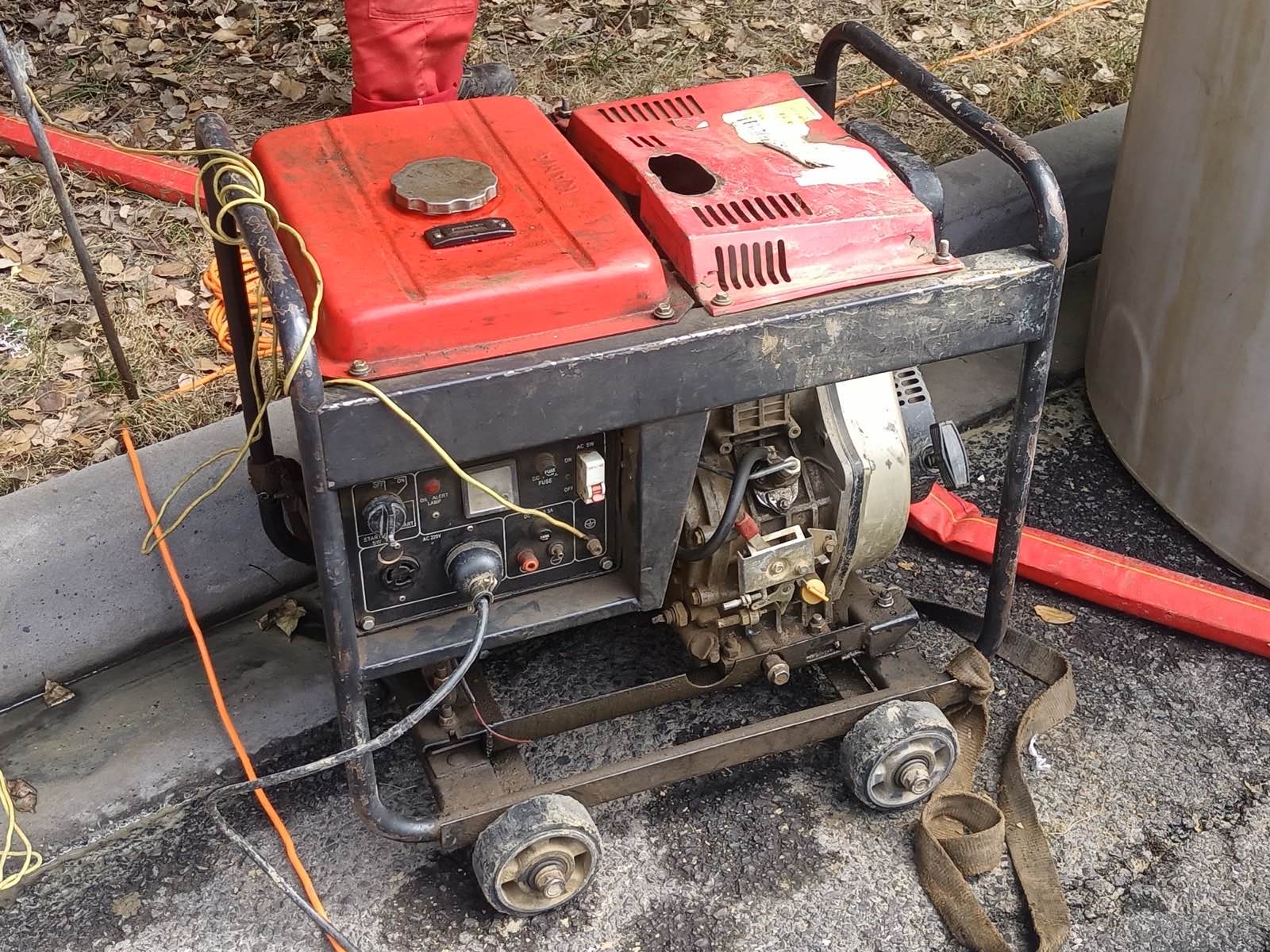
- Run a generator in a garage, basement, or near openings
- Heat the house with a gas oven or stove
- Bring a grill or camp stove indoors for heat
- Use any fuel heater without working CO alarms
Heat and power for a winter outage
Generator guide →Generac GP7500E 7,500W Dual Fuel Generator
A dual-fuel portable generator with enough capacity for a furnace blower, fridge, and lights when connected through a transfer switch.
Check price on AmazonReliance Controls 31410CRK Transfer Switch Kit
Lets a portable generator safely feed selected household circuits; have a licensed electrician install it.
Check price on AmazonMr. Heater Buddy Indoor-Safe Propane Heater
A portable propane heater rated for indoor use in limited settings; follow its ventilation and room-size requirements and use a CO alarm.
Check price on AmazonKidde Plug-In CO Detector with Digital Display
A plug-in alarm with battery backup and a readout, so you can see CO levels while fuel heat or a generator is in use.
Check price on Amazon04Watch the roof — snow load and ice dams
Most roofs handle normal snow without trouble. Problems come from heavy, wet snow piling up over several storms, drifts against higher walls, and ice dams that force meltwater under shingles.
- Know the warning signs
Sagging ceilings, new cracks in drywall, doors that suddenly stick, or creaking sounds can signal too much weight. Get people out and call a professional.
- Rake from the ground
A long-handled roof rake lets you pull the bottom few feet of snow off the roof edge without climbing a ladder.
- Open a channel in ice dams
Calcium chloride melt products can cut a path for trapped water to drain. Avoid rock salt, which can damage shingles and plants.
- Fix the cause in spring
Ice dams are mostly a symptom of heat escaping into the attic. Air sealing and insulation are the long-term fix.
05When a winter storm warning is posted
- 2–3 daysStock the house.
Pick up groceries, medications, and pet food. Fill the car's tank and get fuel for the generator, stored safely outside the living space.
- 1 dayGet the house ready.
Charge batteries and power stations, check that CO alarms work, set out flashlights, and store drinking water.
- Storm hitsStay in and stay warm.
Keep the heat up, open cabinet doors under sinks, and avoid travel. If you must drive, carry a winter car kit.
- AfterDig out carefully.
Shovel in short sessions and take breaks — heavy snow is hard on the heart. Clear furnace and dryer vents and check on neighbors.
Pantry and water for a snowed-in week
Emergency kit guide →Augason Farms 2-Week Emergency Food Supply (1 Person)
Long-shelf-life meals to keep in the pantry for storms that close roads for days.
Check price on AmazonWaterBOB Emergency Water Storage
A bathtub liner for storing extra water before a storm, helpful if a well pump loses power or pipes freeze.
Check price on AmazonColeman Classic 1-Burner Butane Stove
A compact stove for warming food when the power is out; use it only where the manufacturer allows, with ventilation, and never as a heater.
Check price on AmazonFree download
The winter-ready checklist
A printable plan with fall winterizing chores, pipe protection, outage heat safety, and a storm-warning countdown.
- Fall winterizing walkthrough
- Frozen-pipe prevention and thaw steps
- Outage heat and CO safety plan
- Storm-warning countdown
One email with your checklist, then occasional seasonal reminders. Unsubscribe anytime. See our privacy policy.