01Understand what each alert is asking you to do
The National Weather Service uses two terms that sound alike but call for different actions. Mixing them up is one of the most common reasons people end up in the wrong place at the wrong moment.
| Alert | What it means | What you do |
|---|---|---|
| Tornado watch | Conditions favor tornadoes across a broad area, usually for several hours | Charge phones, put shoes and your helmet by the shelter spot, and keep alerts on |
| Tornado warning | A tornado has been seen or indicated on radar near you | Go to your shelter spot now — don't wait to see it |
| Tornado emergency | A rare, high-confidence warning for a damaging tornado headed toward a populated area | Get to the most protected place you can reach, immediately |
02Choose your shelter spot before you need it
The goal is to put as many walls and floors as possible between you and the outside, and to stay away from glass. Where that is depends on how your home is built.
House with a basement
Go downstairs and get under something sturdy, like a workbench or staircase. Avoid spots directly under heavy furniture or appliances on the floor above.
House on a slab
Use a small interior room on the lowest floor — a closet, bathroom, or hallway with no windows. Crouch low and cover your head.
Apartment or condo
Get to the lowest floor you can reach quickly, into an interior hallway or stairwell. Agree on the spot with neighbors ahead of time.
Mobile or manufactured home
Plan to leave for a sturdy building or community shelter when a watch is issued. These homes offer little protection, even when tied down.
- Clear the space now
A shelter closet packed with boxes isn't usable in a hurry. Leave room for everyone in the household, including pets.
- Stage a small kit there
Sturdy shoes, a flashlight, a helmet for each person, a whistle, and a basic first aid kit. If you have to climb out of debris, you'll want all of them.
- Practice once a year
Walk the route at night with the lights off. Kids remember a drill far better than a conversation.
Gear for your shelter spot
Safe rooms guide →Swisher ESP Safety Shelter (6-Person)
A steel above-ground shelter intended for permanent installation in a garage or similar space; check anchoring and local requirements before buying.
Check price on AmazonANSI Z89.1 Safety Helmet with Visor
Head injuries from flying and falling debris are a leading tornado danger, and a hard hat is a simple way to reduce that risk.
Check price on AmazonEVERLIT 250 Pieces First Aid Kit
A well-stocked kit to keep at the shelter spot, so cuts and scrapes can be treated before help arrives.
Check price on Amazon03Make sure an alert can reach you — even asleep
Many of the deadliest tornadoes strike after dark, when people are asleep or the funnel is hidden by rain. Relying on a single alert source is a gamble; layering two or three is cheap.
Primary alerts
- NOAA Weather Radio with alarm on
- Wireless Emergency Alerts enabled on every phone
- A weather app with location-based warnings
Backups
- Local TV or radio coverage during active weather
- County or city opt-in alert systems
- Outdoor sirens, if you're outside
Alert gear we'd keep within reach
Emergency kit guide →Midland ER310 Emergency Weather Radio
Receives NOAA weather alerts and can be recharged by hand crank or solar if the power is out for a while.
Check price on AmazonUniden SDS200 Digital Scanner
For weather hobbyists who want to hear local public-safety traffic during severe weather, where permitted.
Check price on AmazonAnker 737 Power Bank (24,000mAh)
Keeps phones alive through a long outage so you don't lose your primary alert source.
Check price on Amazon04Help the house hold together longer
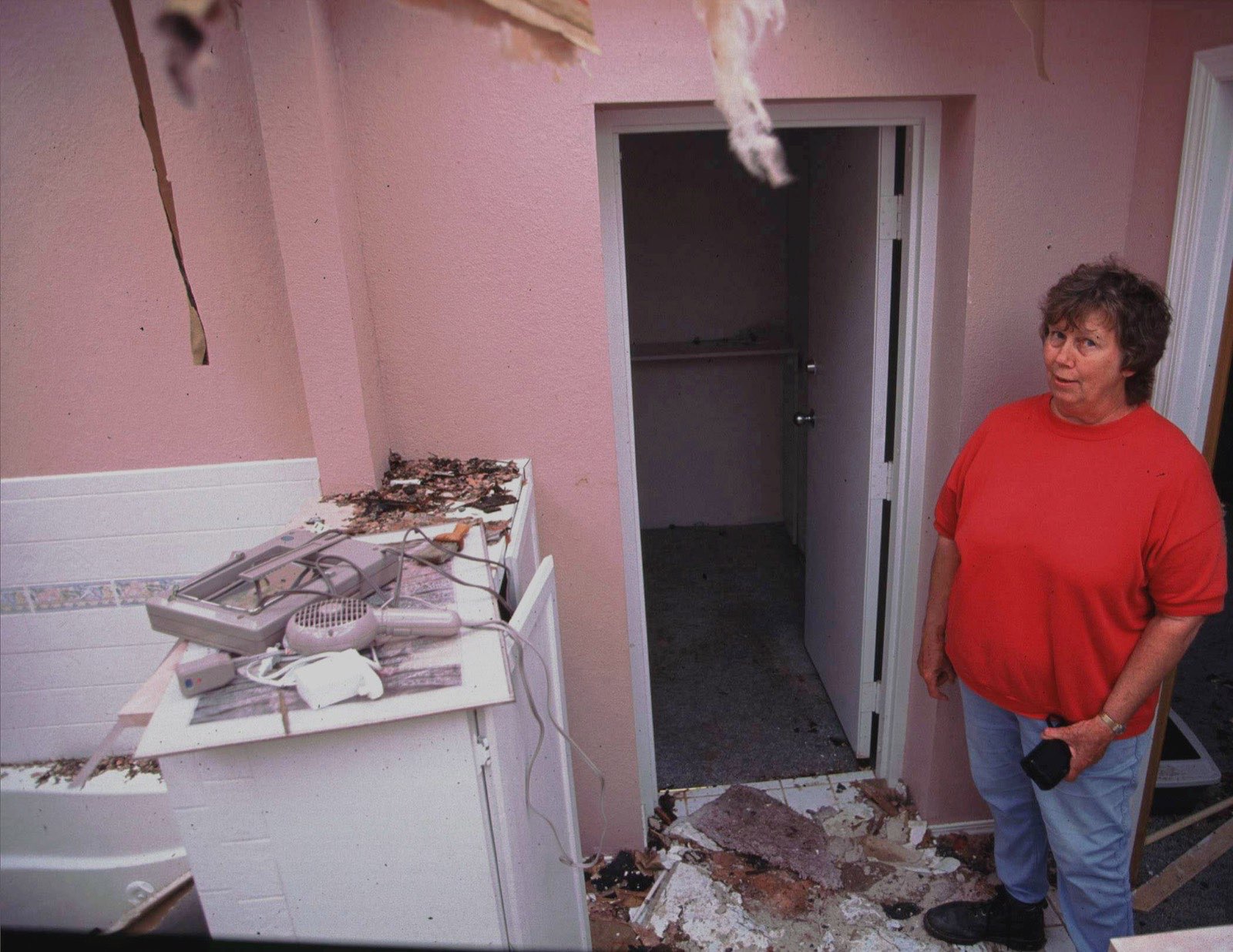
No ordinary house is built to survive a direct hit from a violent tornado. But a large share of tornadoes are weaker ones, and on the edges of stronger ones, the same upgrades that help in high winds can mean the difference between repairs and a rebuild.
- Start with the garage door
Big doors are often the first thing to fail. Once one gives way, wind pressure inside the garage can lift the roof. A wind-rated door or bracing kit is a good-value fix.
- Tie the roof to the walls
Metal straps or clips that connect rafters or trusses to the walls help resist uplift. A contractor can tell you whether a retrofit is practical through your attic.
- Reduce the debris around you
Store or anchor patio furniture, trash cans, and grills when storms are forecast, and remove dead limbs from trees near the house.
- Shore up your paperwork
Take a video tour of every room and store it in the cloud. Review your homeowners policy for wind coverage and deductibles — see our insurance guide.
05After the tornado passes
- First minutesCheck people, then hazards.
Treat injuries, then look and smell for gas leaks, sparking wires, and fire. If you smell gas, leave and call from a safe distance.
- First hourStay put unless it's unsafe.
Keep listening for alerts — another storm may follow. Stay away from downed power lines and assume any wire is live.
- First dayDocument before you clean.
Photograph and video all damage, then make temporary repairs like tarps and boarded windows to prevent further loss. Keep every receipt.
- First weekWork carefully.
Wear boots, gloves, and long sleeves around debris. Run generators outdoors only, far from doors and windows, and keep CO alarms working.
Power and safety for the cleanup
Backup power guide →Jackery Explorer 1000 v2
A portable battery for phones, lights, and small appliances that you can safely use indoors while the grid is down.
Check price on AmazonWEN 56432i 4,500W Inverter Generator
A mid-size inverter generator for a fridge and essentials during a longer outage — outdoors only, well away from the house.
Check price on AmazonKidde Plug-In CO Detector with Digital Display
Battery-backed plug-in alarm with a digital readout, so you know if carbon monoxide is building up indoors.
Check price on AmazonFree download
The tornado-ready checklist
A printable plan for your household — shelter spot, alert setup, shelter kit, and what to do in the first day after a storm.
- Shelter-spot planner for your home type
- Layered alert setup checklist
- Shelter-kit packing list
- After-the-storm safety and claim log
One email with your checklist, then occasional seasonal reminders. Unsubscribe anytime. See our privacy policy.