01Know which hazard you're actually defending against
A hurricane is really four separate problems arriving together. Which one matters most depends on where you live — a house ten miles inland has a very different risk profile from one on a barrier island, even under the same storm.
Storm surge
Seawater pushed ashore by the storm. It is the deadliest part of most hurricanes and the main reason evacuation zones exist.
Wind
Peels shingles, lifts roof decks, and turns loose objects into missiles. Damage starts well below the headline wind speed.
Inland rain
Slow storms can drop 10–20+ inches of rain hundreds of miles from the coast. Much of that flooding happens outside mapped flood zones.
Long outages
Downed lines and flooded substations can leave whole regions dark for days or weeks — in late-summer heat.
02Harden the roof and every opening
Wind damage usually starts small — a few lifted shingles or one broken window — and then escalates. Once wind gets inside, pressure builds against the roof from below. Keeping the envelope closed is the single biggest structural win.
- Have the roof inspected in spring
Ask a roofer to check edge flashing, loose or missing shingles, and how the deck is fastened. Re-nailing a deck with ring-shank nails is far cheaper during a planned re-roof than after a storm.
- Ask about hurricane straps or clips
Metal connectors tie the roof framing to the walls. Retrofitting is easiest where the attic is accessible; a contractor can tell you what's practical for your house.
- Treat the garage door as the weak point
Large doors flex and blow in. If yours isn't rated for your area's wind load, a retrofit bracing kit or a rated replacement is one of the best-value upgrades you can make.
- Decide on window protection before June
Shutters and impact glass take weeks to order and install. Plywood is a last resort — it works only if it's pre-cut, labeled, and has its fasteners already in the wall.
| Window protection | Strength | Deploy time | Good fit for |
|---|---|---|---|
| Impact-rated windows | Excellent | None — always on | Full replacements and new builds |
| Roll-down shutters | Excellent | Seconds (often motorized) | Second homes and anyone who can't climb ladders |
| Accordion shutters | Very good | Minutes | Large openings and balconies |
| Storm panels | Good | An hour or more | Tight budgets with storage space |
| Pre-cut plywood | Fair | Hours | Emergency backup only |
03Plan for water before you plan for wind
Standard homeowners policies exclude flood damage, including surge and rain-driven flooding. That gap catches people every year, often in neighborhoods that have never flooded before.
- Check your flood map — and then ignore its comfort
Enter your address at msc.fema.gov. A low-risk zone still floods; it's just less likely in any one year.
- Buy flood insurance in the off-season
New NFIP policies usually take 30 days to start, so a policy bought when a storm is already in the Gulf won't help with that storm. Our insurance guide covers private flood options too.
- Keep the sump pump running without power
A battery backup pump keeps the basement or crawlspace dry when the grid goes down — which is exactly when it's raining hardest.
- Move what matters up
Store documents, photos, and anything irreplaceable off the floor of basements and ground-level storage rooms all season, not just the day before.
Water defenses worth having in place
Flood protection guide →Wayne ESP25 Battery Backup Sump Pump
Sits next to your main pump and takes over automatically when the power or primary pump fails.
Check price on AmazonQuick Dam Water-Activated Flood Bags (6-Pack)
Flat and light until soaked, then swell into sandbag-like barriers. Easy to store for years in a closet.
Check price on AmazonQuick Dam FloodGate Doorway Flood Barrier
A compression-fit barrier for standard doorways — no tools, no sandbags, and reusable after the storm.
Check price on Amazon04Decide how you'll ride out a long outage
After a strong landfall, power can take one to three weeks to come back. The question isn't whether you'll lose power — it's which things you need to keep running and for how long.
Keep running
- Refrigerator and freezer
- Sump pump
- Fans or a window AC
- Phones and a radio
- Medical devices
Can wait
- Electric oven and dryer
- Central AC
- Electric water heater
- Pool pump
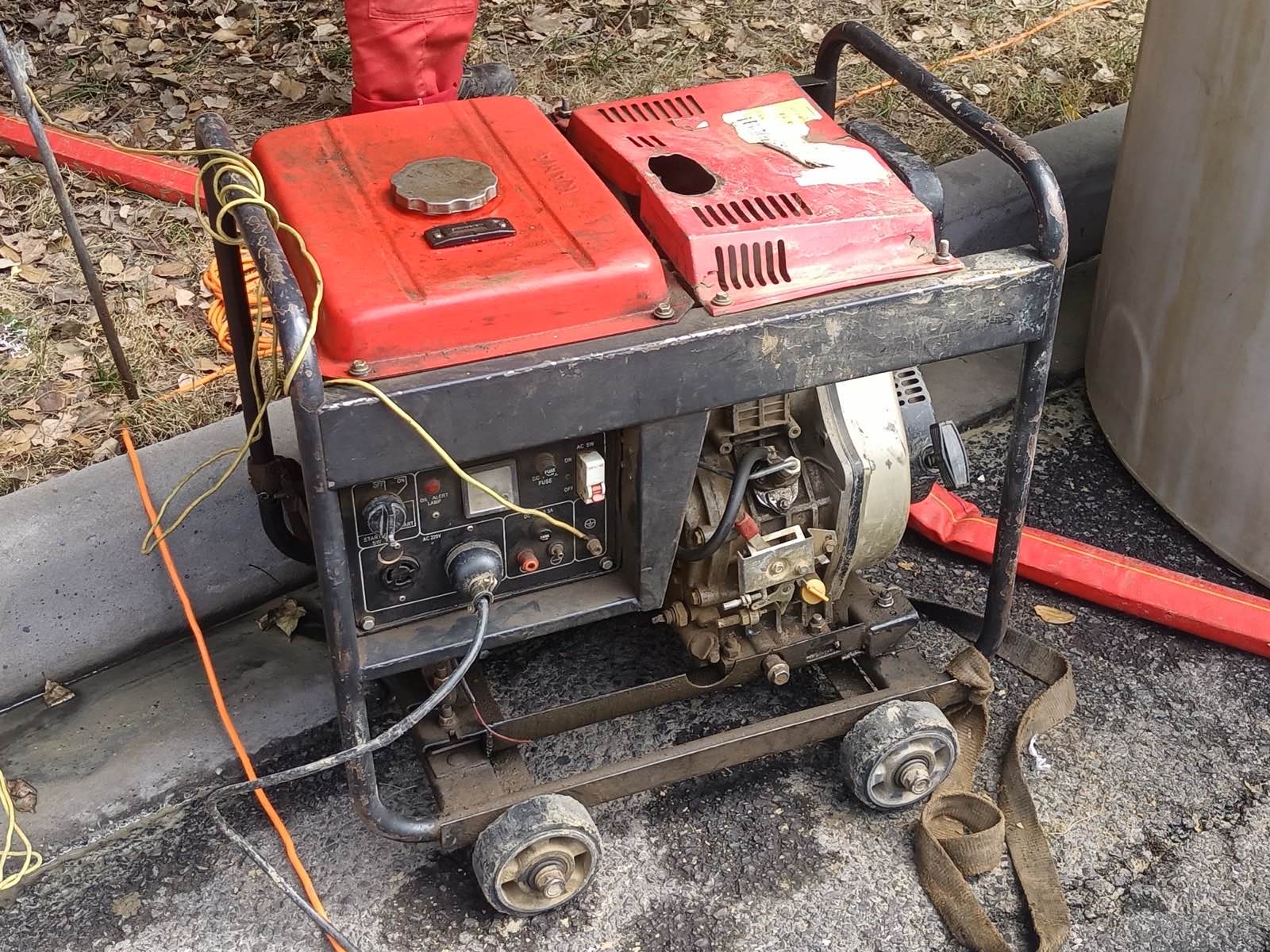
Backup power we'd consider
Generator guide →Champion 9,000W Tri-Fuel Inverter Generator
Gas, propane, or natural gas gives you fuel options when gas stations are closed. Enough to carry a fridge, freezer, and window AC together.
Check price on AmazonEcoFlow DELTA 3 (1,024Wh)
A quiet, fume-free battery for phones, lights, a CPAP, and Wi-Fi. Recharge it from solar or a generator.
Check price on AmazonKidde Plug-In CO Detector with Digital Display
Plug-in alarm with battery backup and a readout, so you can see low CO levels before they become dangerous.
Check price on Amazon05When a storm is named — the countdown
- 5 daysStock up and top up.
Refill prescriptions, get cash, fill vehicles and fuel cans, and buy anything missing from your kit before the shelves empty.
- 3 daysDecide whether you're leaving.
If you're in a surge zone, live in a mobile home, or depend on power for medical equipment, plan to go. Book a room or confirm a host now.
- 2 daysClose up the house.
Put up shutters, brace the garage door, bring in furniture and planters, and clear gutters and drains.
- 1 dayPrep the inside.
Charge every battery, set the fridge and freezer to their coldest, fill clean containers with drinking water, and photograph each room for insurance.
- AfterWait, then document.
Stay off the roads until officials say otherwise. Photograph damage before cleanup, then make temporary repairs to stop further damage and keep receipts.
Grab-and-go basics
Emergency kit guide →Midland ER310 Emergency Weather Radio
NOAA alerts plus hand-crank and solar charging, for when cell service and power are both down.
Check price on AmazonAnker 737 Power Bank (24,000mAh)
Several full phone charges in one pocketable brick. Keep it topped up all season.
Check price on AmazonFree download
The hurricane-season checklist
Every task from this guide on two printable pages, sorted into spring, storm week, and after the storm.
- Spring roof, window, and garage-door tasks
- Five-day storm countdown
- Outage power plan worksheet
- Post-storm photo and claim log
One email with your checklist, then occasional seasonal reminders. Unsubscribe anytime. See our privacy policy.